


Tracking Progress: Setting Realistic Goal
Why Goal Setting Matters
Health data without direction can feel overwhelming. Goal setting provides focus, helping individuals move from simply collecting numbers to making intentional changes. Research shows that specific, achievable goals improve adherence to healthy behaviors and support better long-term outcomes.¹
Rather than aiming for perfection, effective goals emphasize consistency and gradual improvement.
Start With Baseline Measurements
Before setting goals, it is important to understand your current patterns. Track your key metrics consistently for several days or weeks:
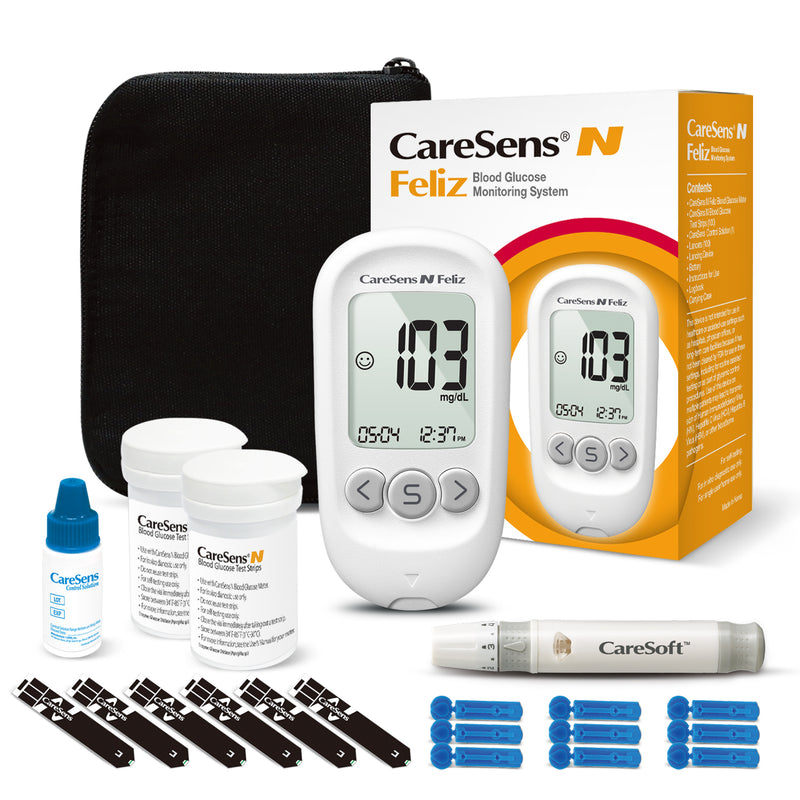
- Fasting and post-meal blood glucose
- Blood pressure at rest
- Body weight trends
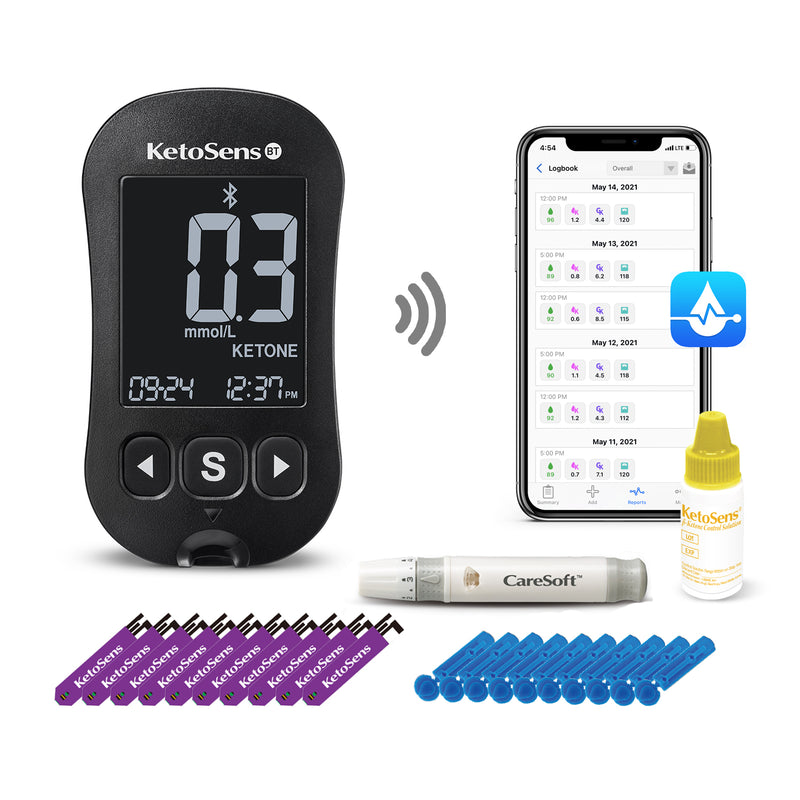
- Ketone levels (if relevant)
These baseline measurements provide a realistic starting point and help identify areas for improvement.
Set Specific and Measurable Goals
Clear, measurable goals are more effective than vague intentions. Instead of “improve my health,” consider:
- Lower fasting blood glucose by a small, achievable range
- Maintain blood pressure within a target range
- Achieve gradual, sustainable weight loss
- Improve consistency in daily readings
Goals should be tailored to individual needs and, when appropriate, guided by healthcare professionals.
Focus on Trends, Not Single Readings
Health metrics naturally fluctuate from day to day. A single elevated reading does not define progress.
Tracking trends over time provides a more accurate picture of improvement. For example:
- Are fasting glucose levels gradually decreasing?
- Is blood pressure becoming more stable?
- Is weight trending in a consistent direction?
Looking at patterns reduces unnecessary stress and supports more informed decisions.
Adjust Goals Gradually
Progress often occurs in small steps. As initial goals are met, new goals can be set to continue improvement.
For example:
- After stabilizing fasting glucose, focus on post-meal responses
- After improving consistency, refine target ranges
- After achieving weight loss, shift focus to maintenance
Gradual adjustments help maintain motivation and reduce burnout.
Use Your Devices to Guide Daily Choices
Health devices can provide immediate feedback on how lifestyle habits affect your body.
- Nutrition: Monitor how different meals impact blood glucose
- Physical activity: Observe improvements in glucose and blood pressure
- Sleep and stress: Identify patterns linked to changes in readings
This feedback loop allows for more personalized and responsive health decisions.
Keep Goals Realistic and Sustainable
Unrealistic expectations can lead to frustration and inconsistency. Sustainable goals should:
- Fit into daily routines
- Allow flexibility
- Focus on long-term habits rather than quick results
Consistency over time is more impactful than short periods of intensive effort.
(Disclaimer)
The content of this article is intended to provide a general information and knowledge on the subject matter. The views expressed in newsletters, articles, and blogs in the i-SENS USA website are not necessarily those of i-SENS Incorporated, i-SENS USA Incorporated or our publishers. Medical or nutritional information on i-SENS USA website is not intended to replace professional medical advice – you should always consult a specialist with any questions about your specific circumstances.




Add a comment