


How Stress Affects Blood Sugar and Blood Pressure
Stress is a natural part of life, but when it becomes frequent or chronic, it can negatively affect both blood sugar and blood pressure. These effects occur through hormonal changes and lifestyle behaviors, making stress an important factor in metabolic and cardiovascular health.
What Happens During Stress?
When the body experiences stress, it activates the “fight-or-flight” response, releasing hormones such as cortisol and adrenaline.1 These hormones increase heart rate, raise blood pressure, and signal the liver to release glucose into the bloodstream for quick energy.
While helpful in short-term situations, repeated activation of this response can lead to long-term health effects.
Effects on Blood Sugar
Stress hormones increase glucose production and reduce insulin sensitivity, which can lead to higher blood sugar levels.2
In addition, stress may influence daily habits such as:
- Irregular eating patterns
- Increased intake of high-carbohydrate foods
- Reduced physical activity
- Poor sleep
These factors can further contribute to difficulty managing blood glucose.
Effects on Blood Pressure
Stress can cause temporary spikes in blood pressure due to increased heart rate and narrowed blood vessels.3 Over time, chronic stress may contribute to sustained high blood pressure and increased cardiovascular risk.
Why It Matters
Stress affects both glucose control and blood pressure—two key markers of metabolic health. For individuals with diabetes or hypertension, unmanaged stress can make these conditions more difficult to control.
Practical Ways to Reduce Impact
- Stay active: Physical activity helps lower stress hormones and improve metabolic health.
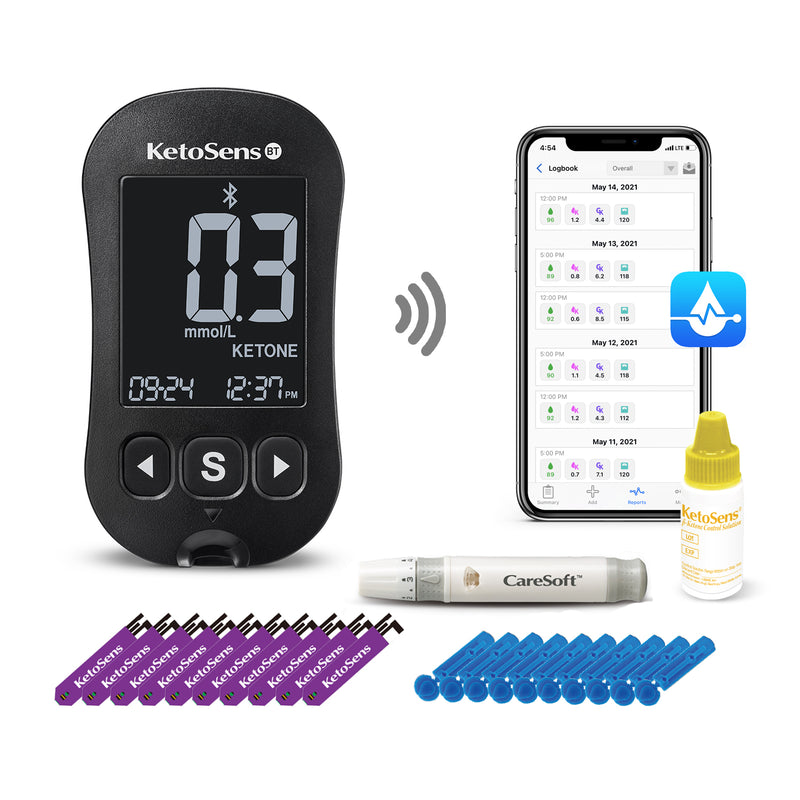
- Monitor regularly: Tracking blood glucose and blood pressure can reveal stress-related patterns.
- Prioritize sleep: Adequate rest supports hormone balance.
- Use stress-management techniques: Practices like deep breathing or mindfulness can help regulate the stress response.
- Seek support: Professional and social support can improve both mental and physical outcomes.
(Disclaimer)
The content of this article is intended to provide a general information and knowledge on the subject matter. The views expressed in newsletters, articles, and blogs in the i-SENS USA website are not necessarily those of i-SENS Incorporated, i-SENS USA Incorporated or our publishers. Medical or nutritional information on i-SENS USA website is not intended to replace professional medical advice – you should always consult a specialist with any questions about your specific circumstances.





Add a comment