


Combining Devices for Holistic Health Tracking
Advances in personal health technology have made it easier to monitor key health metrics in real time. Devices that measure blood glucose, blood ketones, blood pressure, and body weight each provide valuable information individually. When used together, they offer a more comprehensive view of metabolic and cardiovascular health, allowing individuals to better understand patterns and make informed lifestyle decisions.
Why Track Multiple Health Metrics?
Health is multifactorial, and no single measurement fully captures overall well-being. Blood glucose reflects short-term metabolic responses, while blood pressure provides insight into cardiovascular strain. Body weight trends may indicate changes in energy balance, and ketone levels can reflect shifts in fuel utilization.
Tracking these metrics together allows individuals to observe how different aspects of health interact. For example, changes in diet, physical activity, or stress may influence multiple markers simultaneously.
Key Devices and What They Measure
Blood Glucose Monitors
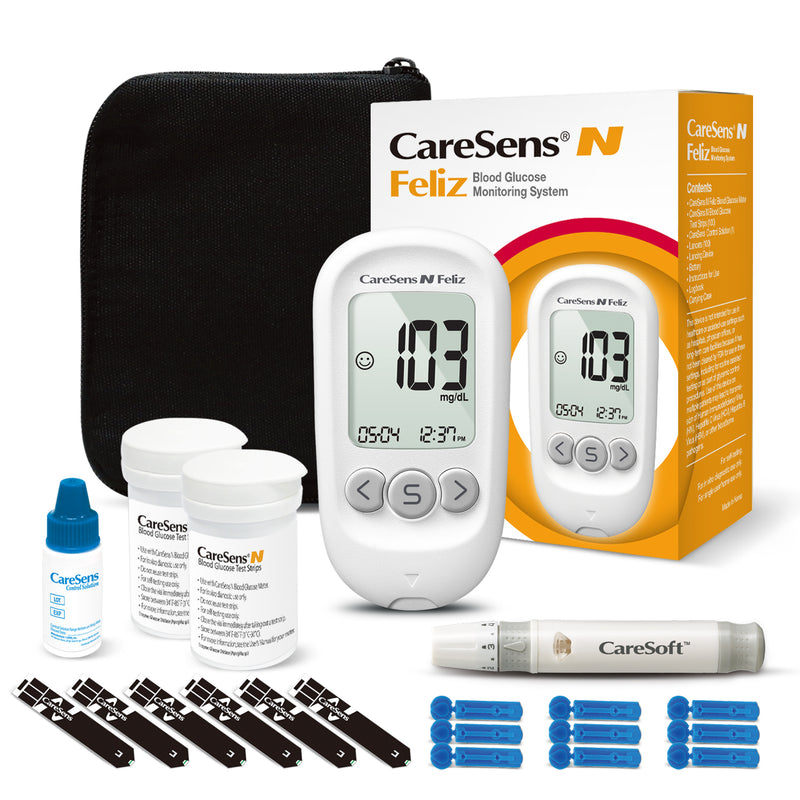
Blood glucose meters measure current glucose levels and help identify patterns related to meals, activity, and stress. Regular monitoring supports early detection of dysglycemia and guides daily decision-making.
Blood Ketone Meters
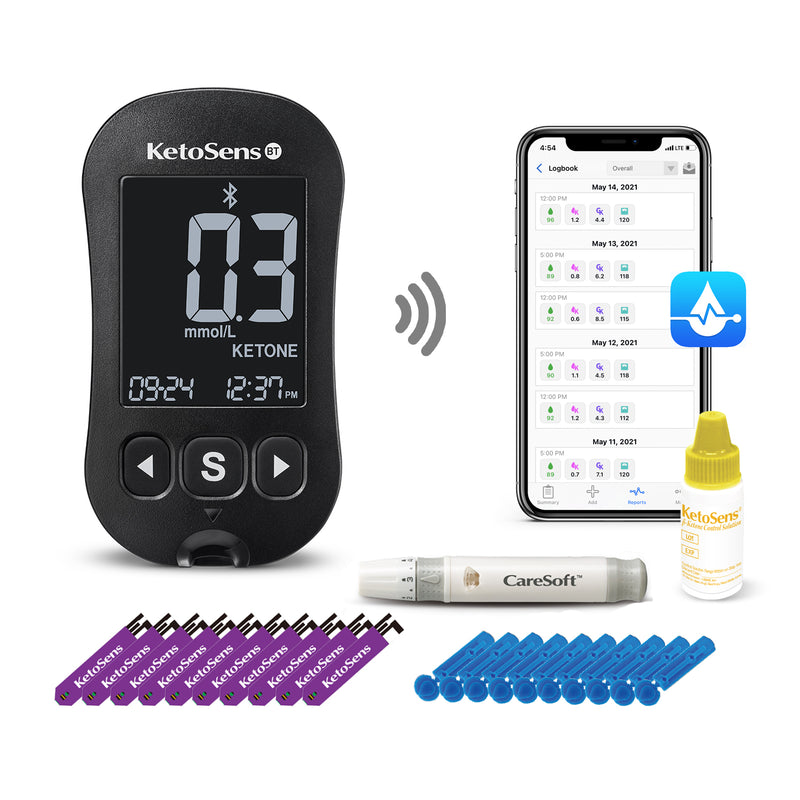
Blood ketone meters measure beta-hydroxybutyrate (BHB), providing insight into fat metabolism. Ketone monitoring is particularly relevant during carbohydrate restriction, fasting, or in specific clinical situations such as type 1 diabetes.
Blood Pressure Monitors
Blood pressure monitors assess systolic and diastolic pressure, key indicators of cardiovascular health. Regular monitoring can help detect hypertension and evaluate responses to lifestyle changes.
Weight Scales
Body weight tracking reflects long-term trends in energy balance. When combined with other metrics, weight changes can be better understood in the context of metabolic health.
Practical Considerations
To use multiple devices effectively:
- Track consistently: Measure at similar times each day to identify meaningful trends.
- Focus on patterns: Avoid overemphasizing single readings; trends over time are more informative.
- Integrate data: Use logs or apps to record and compare different metrics.
- Consult healthcare providers: Share data with clinicians to guide personalized recommendations.
Monitoring should support awareness and informed decision-making, rather than create unnecessary stress.
(Disclaimer)
The content of this article is intended to provide a general information and knowledge on the subject matter. The views expressed in newsletters, articles, and blogs in the i-SENS USA website are not necessarily those of i-SENS Incorporated, i-SENS USA Incorporated or our publishers. Medical or nutritional information on i-SENS USA website is not intended to replace professional medical advice – you should always consult a specialist with any questions about your specific circumstances.




Add a comment