


Sourdough vs. Yeast Bread:
Which Is Better for Blood Sugar & Metabolic Health?
Bread is a staple food worldwide, but not all breads affect blood sugar the same way. In recent years, sourdough bread has gained attention for its potential metabolic benefits—especially for individuals with diabetes, insulin resistance, or metabolic concerns. This article explores how sourdough compares with traditional commercial yeast bread and what current research suggests.
How Sourdough Fermentation Affects Blood Glucose
Sourdough bread is made using a natural starter containing lactic acid bacteria and wild yeasts. During fermentation, these microorganisms break down carbohydrates and proteins in ways that may lead to gentler post-meal glucose responses.
Research Findings:
- Studies show that sourdough fermentation can reduce the glycemic response compared with yeast-leavened bread.¹
- Lactic acid bacteria slow starch digestion, leading to lower postprandial glucose and insulin levels.²
- Fermentation may increase the formation of resistant starch, a type of carbohydrate that is digested more slowly and has metabolic benefits.³
In contrast, most commercial yeast breads—particularly white sandwich bread—are made with refined flour and fast-rising yeast, leading to rapid starch digestion and higher glucose spikes.
Why Fermentation May Improve Metabolic Markers
Sourdough fermentation alters the bread’s nutritional and structural properties:
1. Lower Glycemic Impact
Organic acids produced during fermentation (lactic and acetic acid) slow gastric emptying and carbohydrate absorption.² This can lead to steadier glucose curves.
2. Better Nutrient Bioavailability
Fermentation reduces phytic acid, an anti-nutrient that inhibits mineral absorption.⁴ This may improve magnesium and zinc absorption—important for glucose metabolism.
3. Increased Prebiotic and Gut-Friendly Compounds
Short-chain fatty acid production during fermentation may support healthier gut microbiota, which play a role in insulin sensitivity.⁵
What People With Diabetes or Insulin Resistance Should Know
While sourdough can be a better option, it is not carb-free and must still be portioned appropriately. Important notes:
- Sourdough may help reduce glucose spikes, but it does not replace carbohydrate monitoring.
- Whole-grain sourdough typically has the best metabolic profile: more fiber + slower digestion.
- Responses vary—some individuals may still see higher readings depending on portion size and ingredients.
For people managing blood sugar:
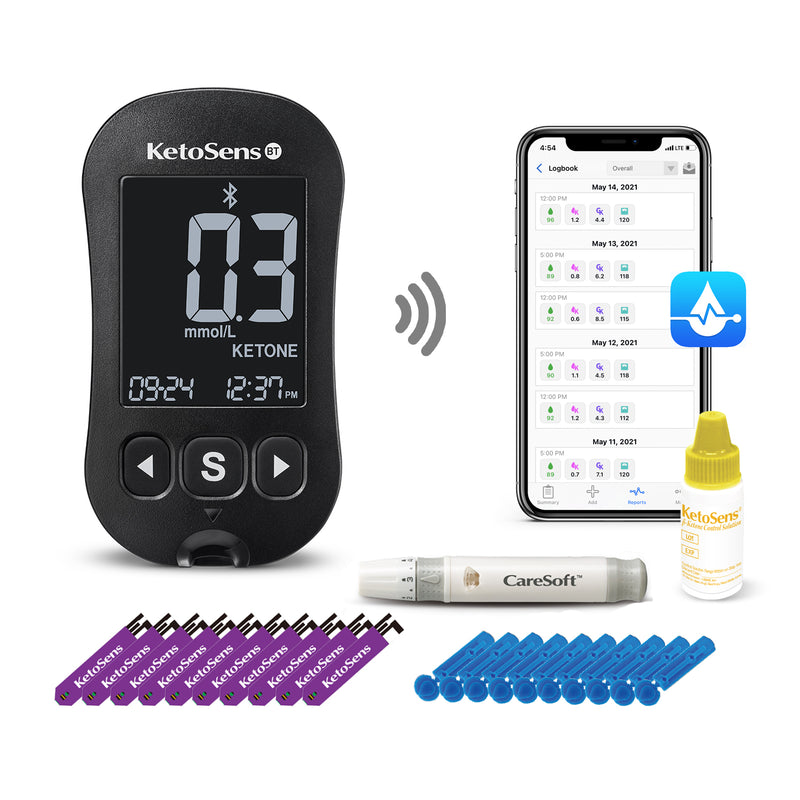
- Test pre-meal and 1–2 hours post-meal to see how your body responds.
- Choose dense, whole-grain sourdough over soft, bakery-style white sourdough.
Practical Tips: Choosing or Making the Better Option
When Buying Sourdough
Look for:
- “Long fermentation” or 24–48 hour fermentation
- Whole-grain flour as the first ingredient
- No added sugars or commercial yeast
- Minimal ingredient list: flour, water, salt, culture
Avoid:
- “Sourdough-flavored” breads (often commercial yeast + acids)
- Ultra-soft or shelf-stable loaves that likely did not undergo slow fermentation
When Making Sourdough at Home
- Use whole-wheat, rye, or spelt flour for lower glycemic impact.
- Allow longer fermentation (overnight or 24+ hours).
- Consider reducing portion size and pairing bread with protein, fiber, or fat to blunt glucose spikes.
Research suggests that sourdough bread generally produces a lower glycemic response and may support better metabolic markers compared with traditional yeast bread. These benefits come from the natural fermentation process, improved starch structure, and organic acids that slow digestion.
For individuals with diabetes or insulin resistance, sourdough—especially whole-grain versions—may be a friendlier option, but portion control and monitoring remain key.
References
- Poutanen K et al. Food Microbiology, 2009.
- De Angelis M et al. Nutrition & Metabolism, 2007.
- Scazzina F et al. British Journal of Nutrition, 2009.
- Lopez HW et al. Journal of Agricultural and Food Chemistry, 2001.
- Marco ML et al. Cell Host & Microbe, 2017.
(Disclaimer)
The content of this article is intended to provide a general information and knowledge on the subject matter. The views expressed in newsletters, articles, and blogs in the i-SENS USA website are not necessarily those of i-SENS Incorporated, i-SENS USA Incorporated or our publishers. Medical or nutritional information on i-SENS USA website is not intended to replace professional medical advice – you should always consult a specialist with any questions about your specific circumstances.





Add a comment