


What Causes Blood Sugar Spikes (Even When You Eat “Healthy”)?
Many people assume that eating "healthy" automatically leads to stable blood sugar levels. While nutritious foods are an important part of metabolic health, blood glucose responses can vary significantly depending on what you eat, how much you eat, and even factors unrelated to food. Understanding these influences can help explain unexpected blood sugar spikes and support better glucose management.
Portion Size Still Matters
Even healthy foods contain carbohydrates, the nutrient that has the greatest impact on blood glucose. Foods such as fruit, oatmeal, brown rice, sweet potatoes, and whole-grain bread provide valuable nutrients, but consuming large portions can still lead to significant rises in blood sugar.1
A healthy food eaten in excess may affect glucose levels more than expected.
Carbohydrate Quality and Quantity
Not all carbohydrates affect blood sugar equally. Highly processed carbohydrates are typically digested more quickly, leading to sharper glucose increases. However, even minimally processed carbohydrates can raise blood sugar when consumed in large amounts.2
Paying attention to both the type and total amount of carbohydrates can help improve glucose control.
Meals Lacking Protein, Fat, or Fiber
Protein, healthy fats, and dietary fiber help slow digestion and glucose absorption.3 A meal consisting primarily of carbohydrates—even healthy carbohydrates—may cause a larger spike than a balanced meal.
For example, eating fruit alone may produce a different glucose response than pairing it with nuts, yogurt, or another protein source.
Stress and Poor Sleep
Blood sugar is influenced by more than food. Stress triggers the release of hormones such as cortisol and adrenaline, which can increase glucose production by the liver.4
Similarly, inadequate sleep has been linked to reduced insulin sensitivity and higher blood glucose levels.5 As a result, blood sugar may rise even when dietary habits remain unchanged.
Physical Inactivity
Physical activity helps muscles use glucose more efficiently. After meals, a lack of movement may contribute to higher post-meal glucose levels.6 Even a short walk after eating can help improve glucose regulation.
Individual Differences
Age, genetics, medications, insulin sensitivity, and underlying health conditions can all influence how the body responds to food. A meal that causes a significant spike in one person may have a much smaller effect in another.
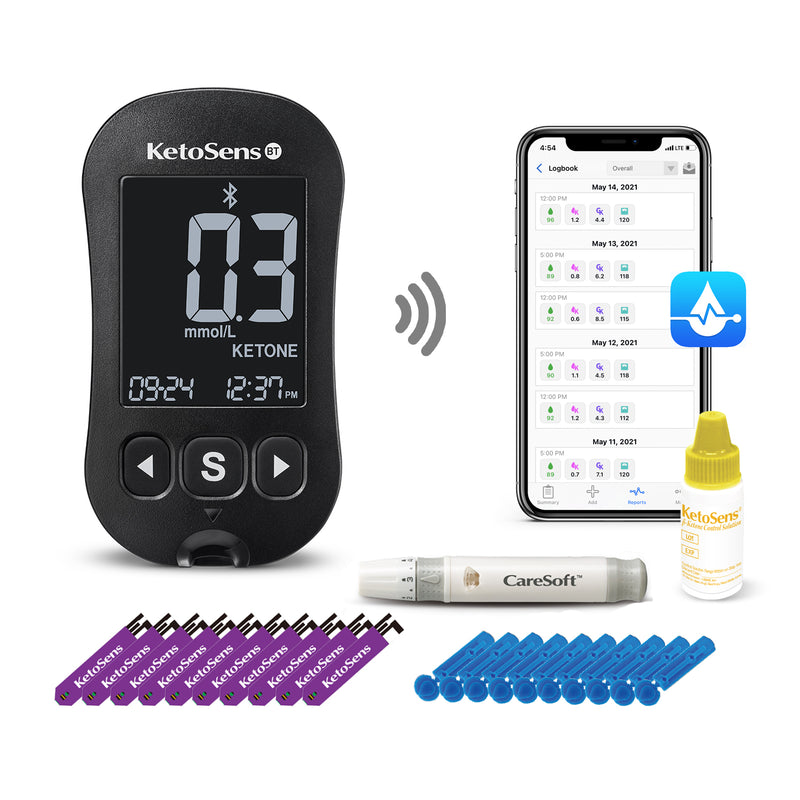
This is why self-monitoring can be a valuable tool for understanding personal glucose patterns.
Why Monitoring Matters
Checking blood glucose before and after meals can help identify foods, habits, and situations that contribute to unexpected spikes. Tracking patterns over time allows individuals to make informed adjustments to nutrition, physical activity, sleep, and stress management.
Conclusion
Blood sugar spikes are not always caused by unhealthy foods. Portion sizes, meal composition, stress, sleep, activity levels, and individual metabolic differences can all influence glucose responses. Understanding these factors—and monitoring how your body responds—can help support better long-term metabolic health.
|
References: |
(Disclaimer)
The content of this article is intended to provide a general information and knowledge on the subject matter. The views expressed in newsletters, articles, and blogs in the i-SENS USA website are not necessarily those of i-SENS Incorporated, i-SENS USA Incorporated or our publishers. Medical or nutritional information on i-SENS USA website is not intended to replace professional medical advice – you should always consult a specialist with any questions about your specific circumstances.





Add a comment