


The Science Behind Blood Ketones:
When and Why to Measure
Ketones are molecules produced by the liver when the body shifts from using glucose to using fat as its primary fuel source.1 This process, known as ketosis, occurs during prolonged fasting, carbohydrate restriction, extended exercise, or insulin deficiency.
The main circulating ketone measured in blood is beta-hydroxybutyrate (BHB).2 Under normal conditions, ketone levels are low (<0.5 mmol/L). During nutritional ketosis—such as with a ketogenic diet—BHB levels typically range from 0.5–3.0 mmol/L.3 This differs significantly from diabetic ketoacidosis (DKA), a serious condition characterized by very high ketone levels, hyperglycemia, and metabolic acidosis.4
When Should Blood Ketones Be Measured?
1. During Illness in Type 1 Diabetes
The American Diabetes Association recommends checking ketones when blood glucose is persistently elevated (≥250 mg/dL) or during illness.4 Early detection of rising ketones can help prevent DKA.
2. While Following a Ketogenic Diet
Individuals using carbohydrate restriction for metabolic or weight management may measure ketones to confirm they are in nutritional ketosis. Blood ketone testing provides a more accurate reflection of current ketone status than urine testing.2
3. During Prolonged Fasting
Ketone production naturally increases during fasting as the body shifts to fat metabolism.1 Monitoring may provide insight into metabolic flexibility, though routine testing is not necessary for most healthy individuals.
Why Use Blood Ketone Testing?
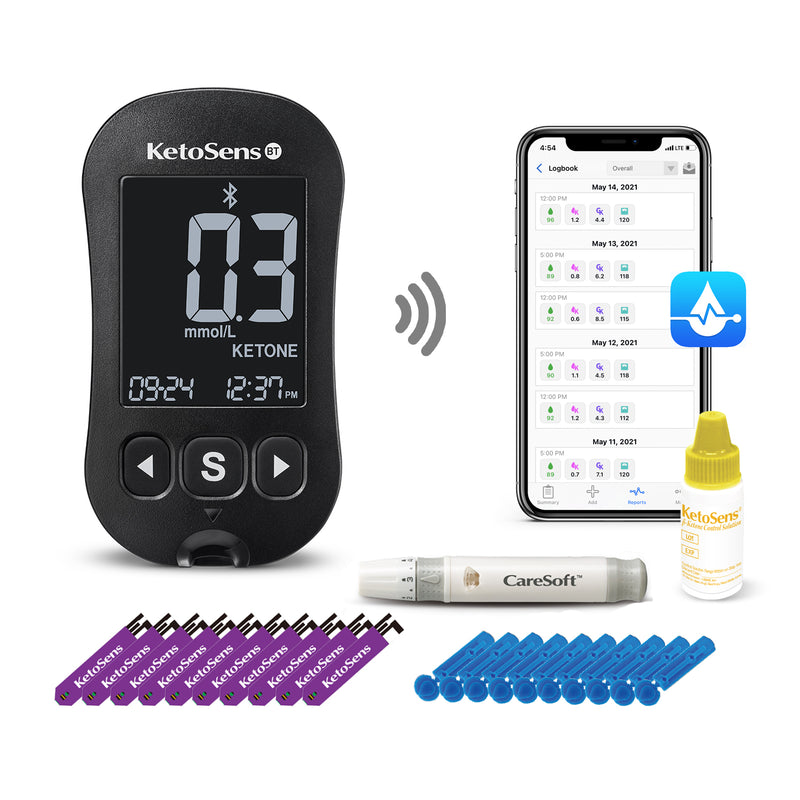
Blood testing measures beta-hydroxybutyrate directly and detects ketosis earlier and more accurately than urine strips, which measure acetoacetate and can be affected by hydration status.2
Blood ketone measurement is a useful tool in specific situations—particularly for people with type 1 diabetes during illness or for those intentionally following a ketogenic diet. As with any metabolic marker, ketone levels should be interpreted alongside blood glucose levels and clinical symptoms.
|
References: |
(Disclaimer)
The content of this article is intended to provide a general information and knowledge on the subject matter. The views expressed in newsletters, articles, and blogs in the i-SENS USA website are not necessarily those of i-SENS Incorporated, i-SENS USA Incorporated or our publishers. Medical or nutritional information on i-SENS USA website is not intended to replace professional medical advice – you should always consult a specialist with any questions about your specific circumstances.




Add a comment