


Preventing Prediabetes
Prediabetes is a metabolic condition characterized by elevated blood glucose levels that are not yet high enough to meet diagnostic criteria for type 2 diabetes mellitus (T2DM).¹ It affects over one-third of U.S. adults and significantly increases the risk of diabetes, cardiovascular disease, and other metabolic complications.² Early identification and intervention are essential for prevention.
What Is Prediabetes?
Prediabetes is diagnosed when fasting plasma glucose, oral glucose tolerance, or hemoglobin A1C values exceed normal ranges but remain below diabetic thresholds.¹ These abnormalities reflect impaired insulin sensitivity and dysregulated glucose metabolism. Without intervention, approximately 5–10% of individuals with prediabetes progress to T2DM annually.²
Why Daily Monitoring Matters
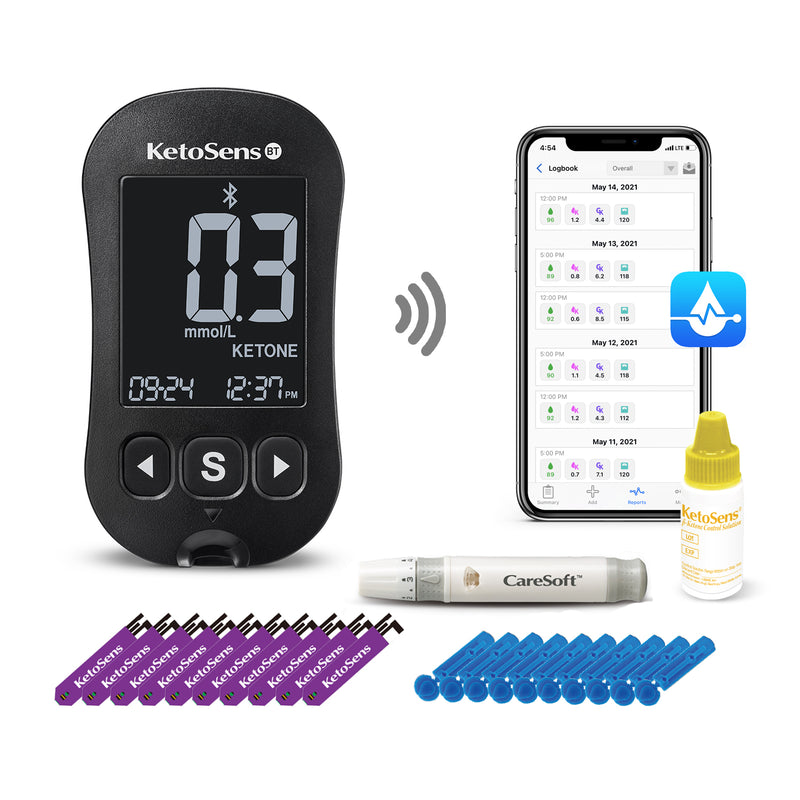
Self-monitoring of blood glucose provides valuable insight into how diet, physical activity, sleep, and stress affect metabolic control.³ Tracking fasting and post-meal glucose patterns helps individuals recognize early dysglycemia and supports behavioral modification. Even in non-diabetic populations, glucose awareness has been shown to improve metabolic outcomes and promote preventive engagement.³
Lifestyle Adjustments That Reduce Risk
Nutrition
Dietary patterns emphasizing whole grains, vegetables, lean protein, healthy fats, and fiber while limiting refined carbohydrates and sugar-sweetened beverages improve insulin sensitivity and glycemic regulation.⁴
Physical Activity
Regular physical activity increases glucose uptake by skeletal muscle and improves insulin action. Current guidelines recommend at least 150 minutes of moderate-intensity activity per week for metabolic protection.¹
Weight Management
A sustained weight reduction of 5–7% can lower the risk of progression to T2DM by up to 58%.⁵ Weight loss improves insulin resistance, lipid profiles, and inflammatory markers.
The Power of Prevention
The Diabetes Prevention Program demonstrated that lifestyle interventions were more effective than medication in preventing progression from prediabetes to diabetes.⁵ Daily monitoring combined with sustainable lifestyle changes provides a practical and evidence-based approach to metabolic disease prevention.
|
References: |
(Disclaimer)
The content of this article is intended to provide a general information and knowledge on the subject matter. The views expressed in newsletters, articles, and blogs in the i-SENS USA website are not necessarily those of i-SENS Incorporated, i-SENS USA Incorporated or our publishers. Medical or nutritional information on i-SENS USA website is not intended to replace professional medical advice – you should always consult a specialist with any questions about your specific circumstances.





Add a comment