


Healthy Snacking Without Blood Sugar Spikes
Snacks can help manage hunger and provide energy between meals, but some choices can cause blood glucose to rise quickly. For individuals with diabetes, prediabetes, or insulin resistance, choosing snacks with a lower glycemic impact may help support steadier blood sugar levels throughout the day.¹
What Makes a Snack Blood Sugar-Friendly?
Carbohydrates have the greatest immediate effect on blood glucose. Highly refined carbohydrates and foods with added sugars are generally digested quickly, which can lead to a rapid rise in blood sugar.²
A more balanced snack combines fiber, protein, and healthy fats. Fiber can slow carbohydrate digestion, while protein and fat may slow gastric emptying and help reduce the rate at which glucose enters the bloodstream.³
For example, instead of eating crackers alone, pairing a smaller portion with cheese or hummus adds protein and fat and creates a more balanced snack.
Healthy Snack Ideas
Blood sugar-friendly snacks can include:
-
Apple slices with natural peanut or almond butter
-
Plain Greek yogurt with berries
-
Hard-boiled eggs with vegetables
-
Cheese with a small serving of whole-grain crackers
-
Hummus with cucumber, peppers, or celery
-
A small handful of nuts and seeds
-
Cottage cheese with berries
-
Avocado on a small piece of whole-grain toast
When choosing packaged snacks, check the Nutrition Facts label for total carbohydrates, added sugars, fiber, and protein. Foods marketed as "healthy" or "natural" may still contain significant amounts of carbohydrates or added sugar.
Portion Size Still Matters
Even nutritious foods can affect blood glucose when eaten in large amounts. Nuts, fruit, whole grains, and dairy products provide important nutrients, but portion size can influence the total amount of carbohydrates and calories consumed.
Rather than avoiding carbohydrates completely, focus on appropriate portions and pairing carbohydrate-containing foods with protein, fiber, or healthy fats.
Learn How Your Body Responds
Blood glucose responses can vary from person to person. The same snack may cause only a small increase in one individual but a larger rise in another.
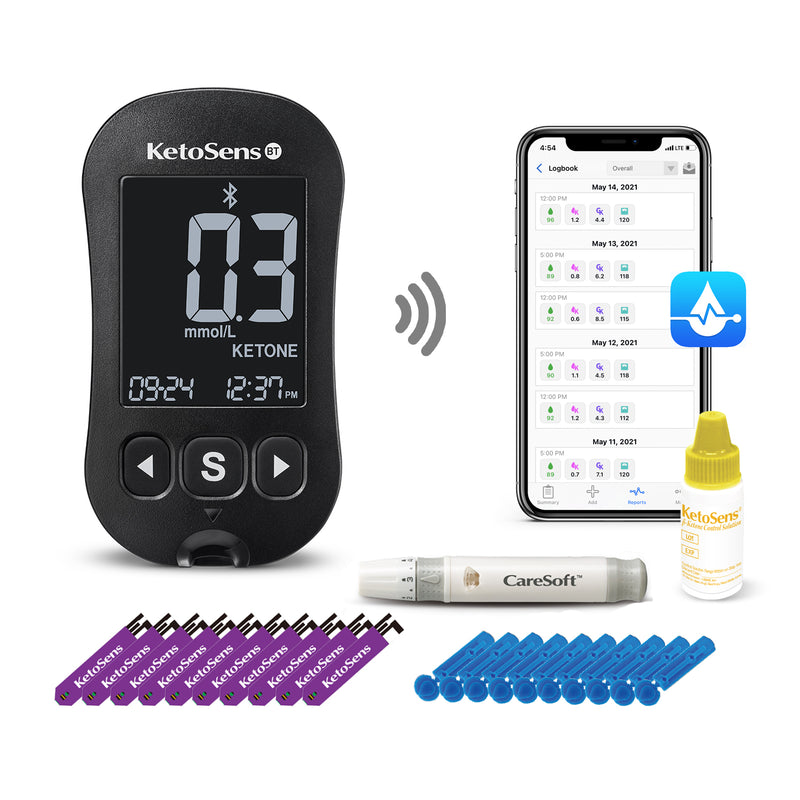
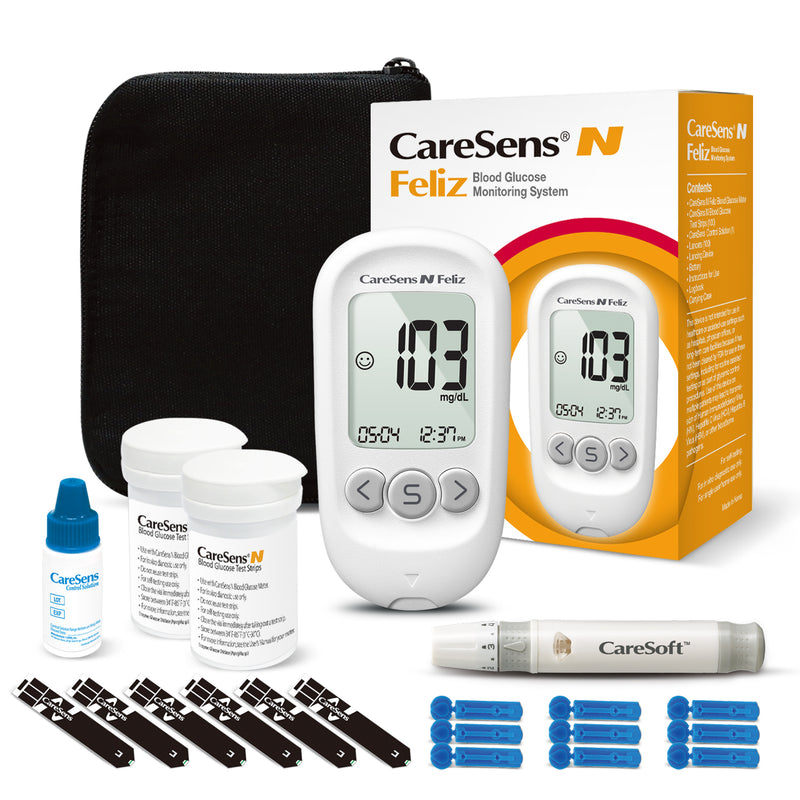
Checking blood glucose before and after eating can help identify how particular foods and portion sizes affect you. Over time, monitoring patterns can make it easier to choose snacks that support your individual glucose goals.
Conclusion
Healthy snacking does not have to mean eliminating carbohydrates. Choosing minimally processed foods, watching portions, and combining carbohydrates with protein, fiber, and healthy fats can help support steadier blood glucose levels. Combined with regular monitoring, thoughtful snack choices can become a simple part of long-term metabolic health management.
References
|
References: |
(Disclaimer)
The content of this article is intended to provide a general information and knowledge on the subject matter. The views expressed in newsletters, articles, and blogs in the i-SENS USA website are not necessarily those of i-SENS Incorporated, i-SENS USA Incorporated or our publishers. Medical or nutritional information on i-SENS USA website is not intended to replace professional medical advice – you should always consult a specialist with any questions about your specific circumstances.




Add a comment