


Blood Sugar & Ketones When You're Sick
Getting sick can affect more than how you feel. Even a common cold, the flu, or a stomach bug can cause changes in blood sugar levels. For people with diabetes, illness may also increase the risk of ketone buildup. Understanding these changes can help you monitor your health and recognize when additional care may be needed.
Why Blood Sugar Changes During Illness
When your body fights an infection, it releases stress hormones such as cortisol and adrenaline. These hormones help your body respond to illness, but they can also raise blood sugar levels by increasing glucose production and making insulin less effective.
As a result, blood sugar may rise even when you're eating less than usual. Fever, dehydration, reduced physical activity, and certain medications can also contribute to higher readings.
However, illness can sometimes cause blood sugar to drop, especially if you're experiencing nausea, vomiting, or a loss of appetite while taking insulin or certain diabetes medications.
What Happens to Ketone Levels?
Ketones are substances produced when the body breaks down fat for energy. Small amounts can be normal, particularly during fasting or reduced food intake.
During illness, ketone levels may increase when the body does not have enough insulin to use glucose effectively. This is particularly important for people with type 1 diabetes, although people with type 2 diabetes can also develop dangerous ketone levels.
When ketones build up excessively, they can lead to diabetic ketoacidosis (DKA), a serious medical emergency.
Ketones may also increase during illness because of reduced carbohydrate intake. However, ketone readings should not be ignored, especially in people with diabetes.
Why Monitoring Matters on Sick Days
Blood sugar can become less predictable during illness, making regular monitoring especially important.
If you have diabetes, your healthcare provider may recommend:
-
Checking blood sugar more frequently: Often every 2–4 hours during illness, depending on your individual sick-day plan.
-
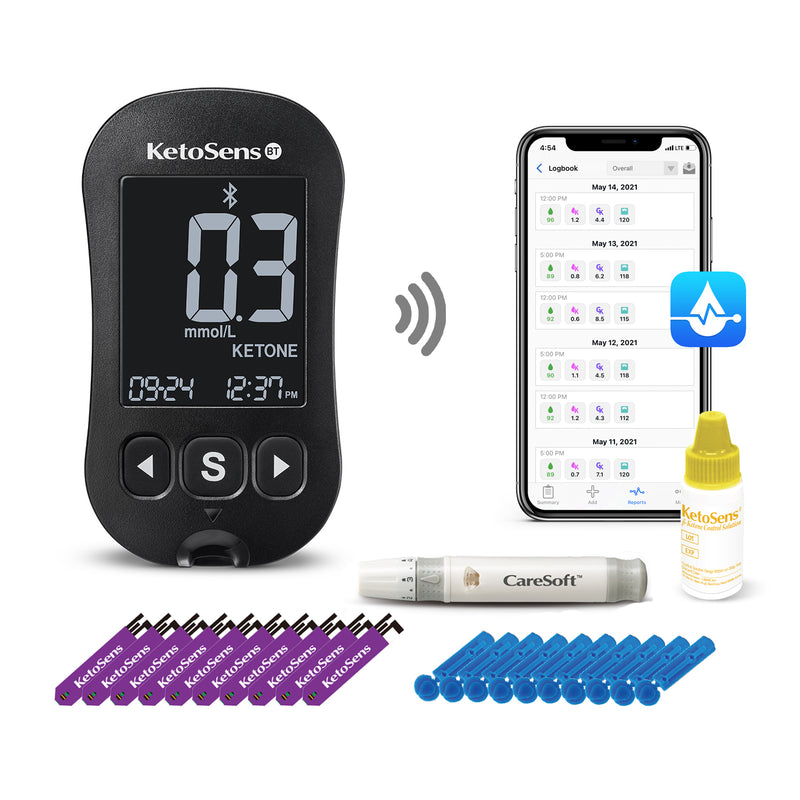
Monitoring ketones: Particularly if you have type 1 diabetes, elevated blood sugar, or symptoms that suggest ketone buildup.
-
Staying hydrated: Drinking fluids regularly can help prevent dehydration.
-
Following your medication plan: Illness may change your medication needs. Follow your healthcare provider's instructions, including guidance on insulin and medications that may need to be temporarily held.
People taking SGLT2 inhibitors should be especially aware that ketoacidosis can sometimes develop even when blood sugar is not significantly elevated.
When to Seek Medical Attention
Some changes during illness require immediate medical attention. Warning signs of DKA may include:
-
Nausea, vomiting, or abdominal pain
-
Rapid or deep breathing
-
Fruity-smelling breath
-
Extreme thirst or frequent urination
-
Unusual fatigue, confusion, or difficulty staying alert
Seek emergency medical care if you experience symptoms of DKA. High ketone readings, persistent vomiting, or an inability to keep fluids down also require prompt medical guidance.
Be Prepared Before You Get Sick
Having a sick-day plan can make managing diabetes during illness easier. Talk with your healthcare provider about how often to check blood sugar and ketones, when to adjust medications, and which symptoms require medical attention.
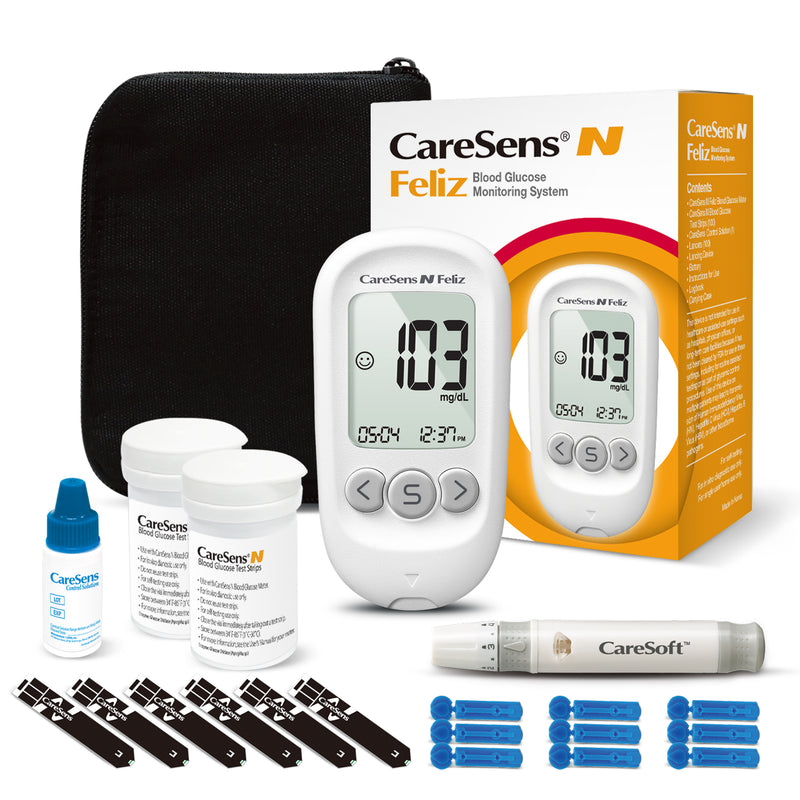
Keeping a blood glucose meter, ketone testing supplies when recommended, and appropriate hydration options available can help you prepare for unexpected illness.
The Bottom Line
Illness can affect both blood sugar and ketone levels, sometimes even when your usual eating habits change. Monitoring these levels and following a personalized sick-day plan can help you recognize concerning changes early and take appropriate action.
(Disclaimer)
The content of this article is intended to provide a general information and knowledge on the subject matter. The views expressed in newsletters, articles, and blogs in the i-SENS USA website are not necessarily those of i-SENS Incorporated, i-SENS USA Incorporated or our publishers. Medical or nutritional information on i-SENS USA website is not intended to replace professional medical advice – you should always consult a specialist with any questions about your specific circumstances.




Add a comment