


Blood Glucose vs. Blood Ketones: When Should You Check Each?
Blood glucose and blood ketones provide different information about how your body is using energy. While glucose testing shows the amount of sugar currently in your blood, ketone testing measures substances produced when the body breaks down fat for energy. Understanding the difference can help you know when each measurement may be useful.
What Does Blood Glucose Tell You?
Glucose is the body's primary source of energy. Insulin helps move glucose from the bloodstream into cells where it can be used for fuel.
A blood glucose meter provides a snapshot of your glucose level at that moment. Depending on your individual diabetes management plan, testing may be useful:
- Before or after meals
- Before and after exercise
- When experiencing symptoms of high or low blood sugar
- During illness
- When adjusting medications under the guidance of a healthcare provider¹
Regular monitoring can also help reveal patterns in how food, activity, stress, and medications affect your blood sugar.
What Do Blood Ketones Tell You?
When the body does not have enough available glucose or insulin to use glucose effectively, it begins breaking down fat for energy. This process produces ketones.
Small amounts of ketones can occur during fasting, carbohydrate restriction, or prolonged exercise. However, high ketone levels in someone with diabetes—particularly when accompanied by high blood glucose—can be a warning sign of diabetic ketoacidosis (DKA). DKA is a serious medical emergency that requires prompt treatment.²
When Should You Check Ketones?
People with diabetes may be advised to check ketones when:
- Blood glucose is unusually high
- They are sick, especially with fever, vomiting, or infection
- They have symptoms associated with DKA, such as nausea, vomiting, abdominal pain, difficulty breathing, or unusual fatigue
- Their healthcare provider recommends ketone monitoring as part of a sick-day or diabetes management plan¹
People who use insulin should follow their healthcare provider's specific instructions for when to check ketones and what action to take based on the result.
Blood Glucose and Ketones Work Together
Blood glucose and ketone measurements should not be viewed as interchangeable. They answer different questions:
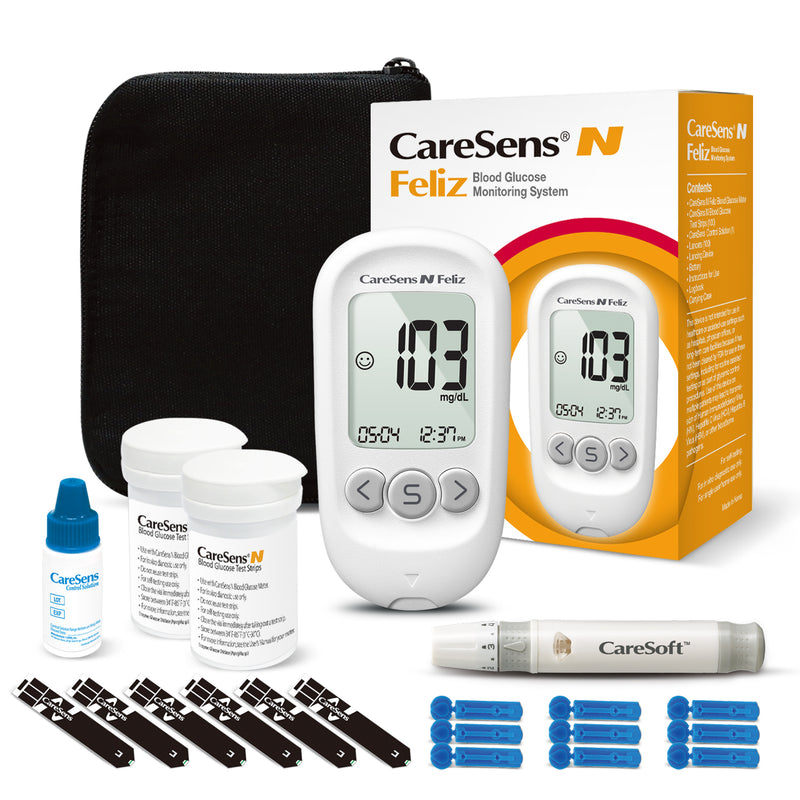
Blood glucose: How much glucose is in my blood right now?
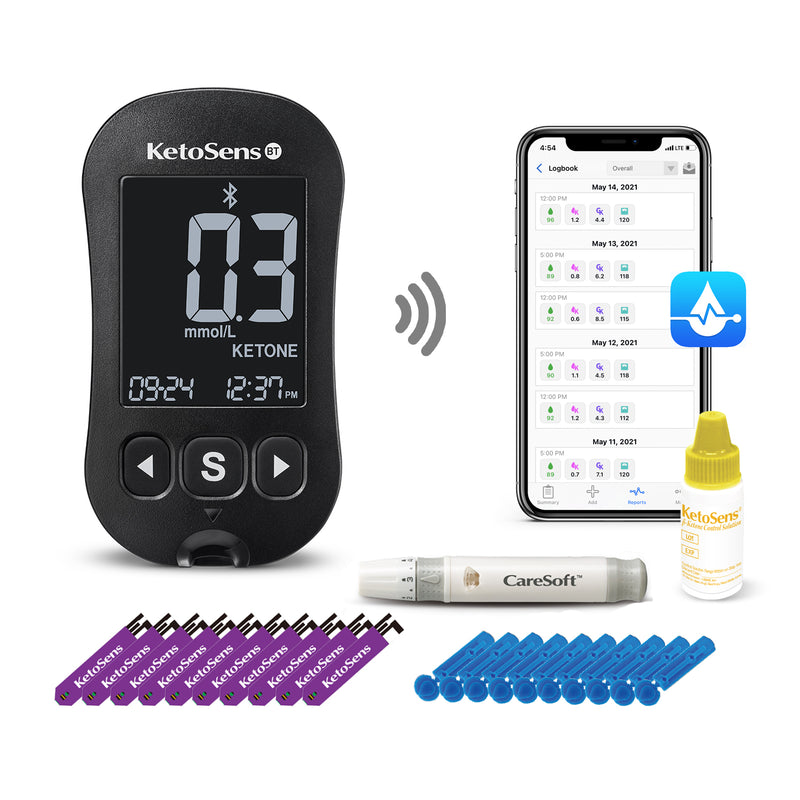
Blood ketones: Is my body producing an increased amount of ketones from fat metabolism?
For someone with diabetes who is ill or experiencing unusually high glucose, looking at both measurements may provide important information that glucose testing alone cannot.
Conclusion
Blood glucose monitoring is commonly used for everyday diabetes management, while blood ketone testing can provide additional information in specific situations, particularly during illness or periods of high blood glucose. Knowing what each measurement means—and following an individualized testing plan from your healthcare provider—can help you recognize changes and respond appropriately.
|
References: |
(Disclaimer)
The content of this article is intended to provide a general information and knowledge on the subject matter. The views expressed in newsletters, articles, and blogs in the i-SENS USA website are not necessarily those of i-SENS Incorporated, i-SENS USA Incorporated or our publishers. Medical or nutritional information on i-SENS USA website is not intended to replace professional medical advice – you should always consult a specialist with any questions about your specific circumstances.




Add a comment